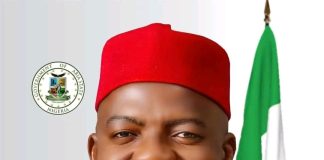

The Nigerian Medical Association (NMA), Rivers State Branch, has urged Governor Siminalayi Fubara to recruit more healthcare workers to complement investments in health infrastructure and improve service delivery across the state.
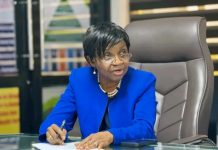
The association’s chairperson, Dr. Ureh Oparaodu, made the call while speaking with journalists in Port Harcourt during activities marking the 2026 Physicians’ Week.
Oparaodu commended the governor for his support for the health sector, particularly the increase in doctors’ salaries and expansion of healthcare facilities, but stressed that adequate manpower remains essential for effective healthcare delivery.
She noted that the establishment of more health centres and investment in medical infrastructure had improved access to healthcare, adding that such facilities must be adequately staffed to function optimally.
Speaking on the zonal hospital in Omoku, the NMA chairperson said the facility would enhance access to secondary healthcare for residents of the Orashi region.
“What we would like the governor to do is basically employment, more employment,” she said.
She added that recruitment should cover not only doctors but also other essential healthcare professionals required to ensure a functional health system.
On doctors’ welfare, Oparaodu said improved remuneration had made the Rivers State University Teaching Hospital (RSUTH) more attractive to medical practitioners seeking employment, including doctors from other states.
She, however, acknowledged that she could not provide exact statistics showing whether the salary increase had reduced the number of doctors leaving Rivers State.
According to her, the teaching hospital has continued to attract interest from medical professionals outside the state because of its improved remuneration package.
Addressing concerns over medical quackery, Oparaodu disclosed that the NMA’s anti-quackery committee works with the Rivers State Ministry of Health to identify and investigate suspected cases.
She said the association also responds to complaints from members of the public concerning questionable healthcare facilities and practitioners whose qualifications require verification.
Oparaodu noted that medical quackery remains a challenge, partly because many members of the public may struggle to distinguish qualified doctors from unqualified practitioners.
She said the association was intensifying public enlightenment through regular educational programmes to help residents identify legitimate healthcare providers and recognise warning signs.
The NMA’s call for increased recruitment comes amid broader concerns over doctors’ welfare, burnout, workplace safety and the migration of medical professionals.
In her address at the opening ceremony of the Physicians’ Week, Oparaodu urged doctors to prioritise their health and work in environments that support quality healthcare delivery without compromising their well-being.
She also advocated the responsible adoption of artificial intelligence, telemedicine and other digital health technologies, emphasising the need to safeguard patient confidentiality and uphold ethical standards.
As part of the week’s activities, the association plans to teach primary school pupils basic life-support skills, offer free medical and surgical services, and organise training and mentoring programmes for younger doctors in Rivers State.