
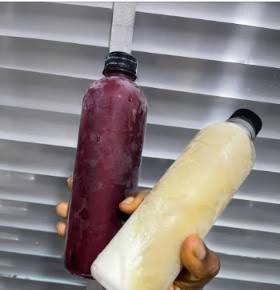
The National Agency for Food and Drug Administration and Control (NAFDAC) has reiterated that locally produced food and beverages, including packaged and labelled zobo and tigernut drinks, must be registered with the agency before being sold to consumers.
The agency explained that all packaged food products are required to undergo safety assessments and laboratory testing to establish their suitability for human consumption before being introduced into the Nigerian market.
Speaking in an exclusive interview with PUNCH Healthwise, NAFDAC’s Resident Media and Communication Consultant, Sayo Akintola, stressed that the registration requirement applies to all packaged food products, irrespective of the scale of production.
According to Akintola, samples of products must be submitted for laboratory analysis to ensure they meet the required safety standards and do not pose health risks to consumers.
He maintained that NAFDAC registration is compulsory for businesses involved in the manufacturing, importation, distribution and sale of products under the agency’s regulatory jurisdiction.
Akintola further warned that businesses operating without the necessary registration risk having their products confiscated, production facilities shut down and owners prosecuted in accordance with federal laws.
He described the NAFDAC registration number as an essential requirement for legal product sales and a means of building consumer confidence, noting that it assures distributors, retailers and members of the public that products have undergone the necessary regulatory checks.
The clarification follows public reactions to a viral video that surfaced on October 28, showing police officers questioning a woman selling bottled zobo drinks and demanding to see the products’ NAFDAC registration number and labels.
In the video, one of the officers questioned whether the bottled drinks had the required registration number, insisting that packaged beverages should comply with NAFDAC regulations.
Meanwhile, registered dietitians and nutritionists have cautioned consumers against purchasing zobo and tigernut drinks prepared or stored in unhygienic environments.
The nutrition experts warned that poor hygiene during production, handling and storage could lead to contamination and expose consumers to foodborne illnesses, including diarrhoea, vomiting and abdominal pain.
They therefore advised consumers to pay attention to the hygiene standards of locally produced beverages and ensure they purchase products from sources that observe proper food safety practices.